

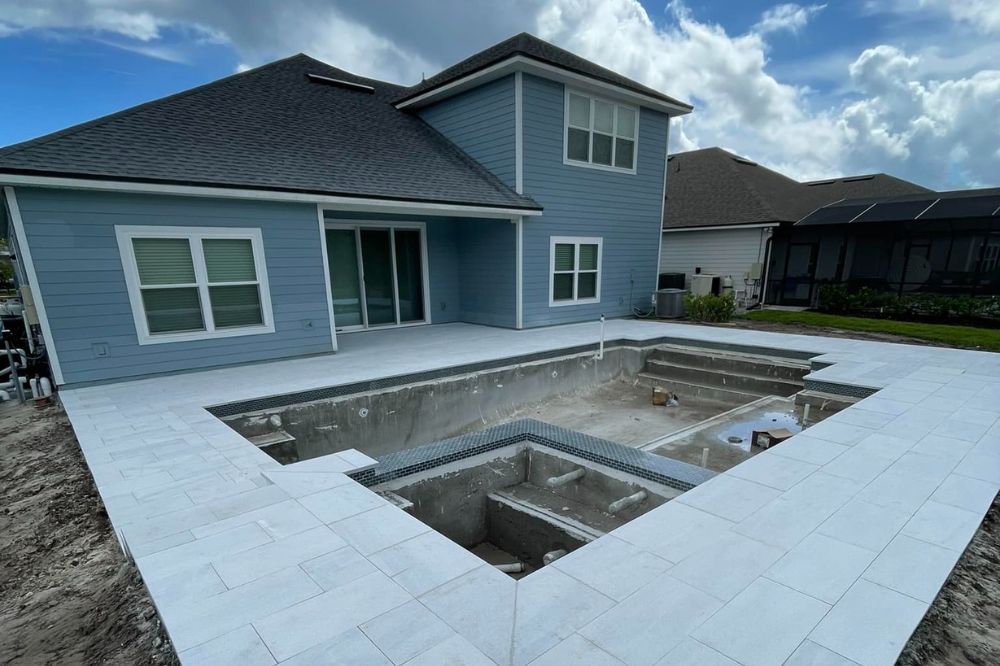
Pools shift the way folks walk around their yards. Water and tiling are only part of it. Extra fees slip quietly beneath initial quotes, yet those hidden factors shape ownership years later – not the first price tag. Most conversations circle stone finishes or pool shapes. What happens after builders pack up – that quiet return to daily life – rarely gets attention.
When Regulations Change Mid-Project
Midway through pool construction St. Augustine, rules can shift – especially in places like St. Augustine. Fence heights, electrical placement, drainage flow: small regulatory tweaks appear while work is already underway.
One contractor’s estimate may rely on outdated codes. Suddenly, required changes emerge – not optional upgrades, but compliance adjustments. Moving an electrical ground two feet from a pump adds cost without improving performance.
Municipal updates are not always communicated quickly. Without steady reviews, old building methods quietly collide with new regulations.
Soil Movement and Structural Stress
Wet clay expands—dry clay contracts. Across northeast Florida, that cycle never fully stops. Even solid groundwork inspections can miss hidden water pressure building below. Months later, hairline cracks begin to form. Some builders install gravel layers underneath. Others use geotextile fabric to manage soil shifts.
Problems often surface around year three – small fractures near suction lines or structural seams. By then, sealing becomes routine maintenance rather than an urgent St. Augustine pool repair, though the cost continues to accumulate.
Drainage and Decking Problems
Land that looks level often slopes subtly. After rainfall, water collects near foundations. Installing a pool alters runoff patterns across the yard. Gutters that once drained harmlessly may now spill onto fresh decking. Over time, moisture works beneath pavers. In colder climates, it freezes and lifts them. In warmer regions, it washes away the sand base.
A simple three-paver shift may reveal widespread instability below. What appears to be a $300 repair can quietly grow toward $3,000. Surfaces hold steady – until they don’t.
Equipment Access Matters More Than Appearance
Equipment placement affects long-term cost more than aesthetics. A pump hidden behind landscaping may look tidy – until the filter needs cleaning every few weeks. Tight clearances make repairs slower and more expensive. Add sprinkler lines or overgrown branches, and labor time increases.
Three feet of space may seem generous on paper. In summer heat, cramped zones collect insects, moisture, and frustration. Accessibility shapes maintenance costs far more than the color of control panels.
The Hidden Risk of Smart Technology
Automation apps promise control from anywhere. But technology ages quickly. When manufacturers stop supporting older systems, connectivity fades. Bluetooth modules fail. Routers update. Replacement hubs require rebuilding entire configurations.
Digital systems shift labor from turning dials to troubleshooting software. Mechanical knobs sit quietly when power flickers. Software stops responding. Humans adapt – but not without added effort.
Trees, Debris, and Water Chemistry
Pools beneath trees behave differently from those in full sun. Leaves, bark, and pollen increase organic load. Chlorine dissipates faster under oak cover. Without understanding these patterns, owners either overspend on chemicals or struggle with cloudy water.
What Service Contracts Leave Out
Many St. Augustine pool service agreements exclude tile descaling or salt cell replacement. “Year-round care” often comes with narrow definitions. Waterline scaling hardens over time. Acid washing removes buildup but slowly erodes grout. Hand cleaning costs more upfront yet preserves surfaces longer.
Plaster Thickness and Long-Term Wear
Resurfacing longevity depends on the original plaster application. Steps and benches often receive thinner layers. While building codes may allow 3/8-inch thickness, higher-quality work exceeds 1/2 inch.
Wear appears slowly—often after 8 years or more. When deterioration becomes visible, draining and full resurfacing may be the only solution. Acid prep generates runoff requiring neutralization before disposal, a rule many owners discover too late.
Energy Consumption Over Time
Single-speed pumps remain common in basic installations. They run louder and consume nearly twice as much electricity as variable-speed models. Upgrading later may require plumbing adjustments or electrical panel upgrades. Tight equipment pads complicate retrofits. Energy savings take years to outweigh replacement costs – but utility bills eventually reveal the difference.
Pool Covers and Heat Loss
Basic plastic covers degrade under sunlight within four years, though buyers expect them to last a decade. Mesh covers allow heat to escape rapidly. During spring or fall, water temperatures can drop seven degrees overnight without proper insulation. Gas heaters compensate – quietly increasing fuel costs.
Ownership Is Ongoing Work
A pool is less an addition and more an ecosystem. It demands electricity, chemical balance, cleaning schedules, and inspections. Even when unused, systems operate. Pumps fail. Chemistry drifts. Cracks expand. Maintenance is repetitive. Stability comes from consistency – not from tile or rebar, but from doing the same tasks again and again.
Choosing the Right Local Expertise
Starting fresh helps when selecting professionals like Haven Pools LLC, who understand regional conditions. In St. Augustine, soil composition, humidity, salt exposure, and local regulations all shape outcomes. Whether maintaining equipment, repairing leaks, or rebuilding surfaces, working with crews experienced in local pools reduces long-term surprises. Careful background checks before construction begins often prevent years of avoidable complications.