

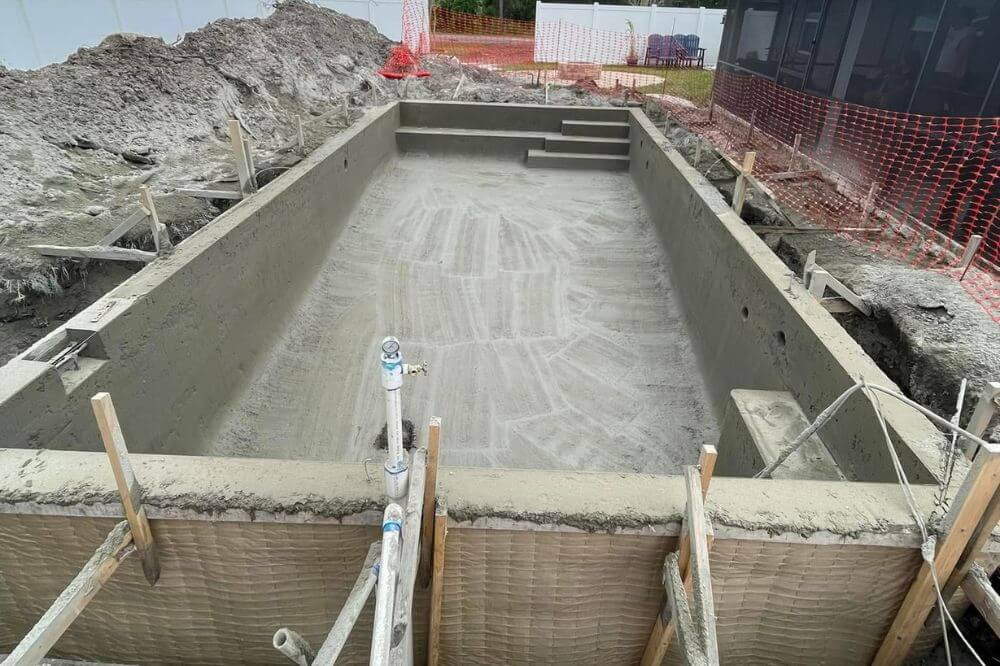
Installing a pool is a fabulous way to enrich your life with leisure and enhance your property’s value. Whether you are crafting a splendid garden haven or a chic family pool, knowledge of the permitting and inspection procedures is crucial. Owners of homes in the Palm Coast area, FL, must realize that installing a pool is among several legal and safety requirements set forth to protect property owners and ensure that pool construction complies with Florida building codes.
We at Haven Pools LLC believe that well-informed homeowners are better able to make sound decisions. The following article will help you understand what permits and inspections are needed when you choose to build a pool in Palm Coast and also why hiring professionals will significantly help to expedite the process.
The Importance of Pool Permits
Skipping permits can lead to serious problems, including fines, project delays, failed inspections, and complications when selling your home in the future.
How permits ensure:
- The pool is built safely.
- Drainage facilities are provided.
- All electrical installations are up to standard.
- Safety fences prevent children and pets from entering the pool.
- The pool does not interfere with any utility lines or neighbors’ property
Skilled Palm Coast pool builders are at the forefront of understanding the local requirements homeowners must meet. They can also help homeowners avoid costly errors during construction.
Some Typical Permits Needed for Pool Installation
The type of permits required to install a new pool depends heavily on the pool’s size, the property’s layout, and any additional features. But most pools in Palm Coast usually need these permits.
Building Permit
A building permit is the primary type of approval required before starting excavation and construction. Having this permit means your pool is designed to meet the Florida residential building codes and the local authorities’ regulations.
Application Process
Typically, the application process will include:
- Site plans
- Designs for the swimming pool
- Structural information from an engineer
- Boundary information on the property
- Specified equipment
Your contractor usually submits this information to the municipality’s permit department.
Electrical Permit
Electricity is used in pools for such purposes as running the pumps, lighting and heating the pool, automating controls, and bonding. Florida has very strict regulations regarding electricity due to the hazardous combination of electricity and water.
An electrical permit makes sure that:
- The wiring is done correctly.
- Grounding and bonding are done to code.
- Pool lights are up to safety requirements.
- Connections are made professionally.
Plumbing Permit
Pools require plumbing systems for circulation, filtration, drainage, and water features. Plumbing permits verify that pipes, drains, and equipment connections meet local standards and operate efficiently.
Plumbing is important because it ensures that there is
- Flowing water
- Dissipation of chemicals
- Efficiency in energy consumption
- No leaks
Fence or Barrier Permit
Under Florida laws, residential swimming pools must have proper safety barriers installed to prevent accidental drownings.
Barrier permits help ensure your pool area includes the following:
- Self-closing gates
- Proper fence height
- Child safety features
- Secure access points
Safety compliance is one of the most important aspects of the inspection process.
Pool Inspections During Construction
Getting permits is only one thing. Inspections are required at various stages of construction to ensure the work completed to date meets safety and structural standards.
Pre-Construction Inspection
In many cases, inspectors can come to the site to check the property layout if it is the first step before excavation to confirm setbacks, the location of utilities, and the approved DP.
This level is used to check:
- Is the pool installed in accordance with the approved drawings?
- Are underground utilities protected?
- Are there sufficient drainage arrangements?
Steel and Structural Inspection
After the ground has been dug up and steel reinforcement has been laid, inspectors will examine the structural skeleton before concrete is poured.
The purpose of this scrutiny is to find out the following:
- Are the steel bars placed correctly?
- Is the structure sound?
- Are the works done as per the engineering specs?
The reinforcement must be structurally sound for the pool to last a long time.
How Long Does the Permit Process Take?
The time it takes to get a permit may vary from one place to another, depending on how big the project is and how much work the local department has. For instance, getting a permit in Palm Coast might mean waiting a few weeks for approval, especially during construction season.
Some conditions that may influence the time to get a permit approved are:
- The size of the project
- The desire for special features
- The review by the engineering department
- If the paperwork isn’t enough or is incomplete
- Unforeseen delays due to the unpredictable weather
The main reason to coordinate with reliable Palm Coast pool companies is that these professionals can greatly assist with the process, as they already know the local submission requirements and inspection filing procedures.
Summing Up
Swimming pool construction in Palm Coast, FL, is more than just choosing an attractive design and starting excavation. Whether you are planning a brand-new installation or considering pool remodeling in Palm Coast services to modernize your existing backyard, choosing experts can make all the difference.
Haven Pools LLC is proud to help homeowners create beautiful, functional outdoor spaces with dependable service and professional expertise tailored to the Palm Coast community.